May CPI Hit 4.2% — Why Inflation Is Still the Fed's Biggest Problem
U.S. May CPI rose 4.2% YoY — the highest in roughly three years — with a 0.5% monthly gain and core inflation at 2.9%. Published before the U.S.-Iran deal, this data is the key constraint heading into this week's Fed meeting.

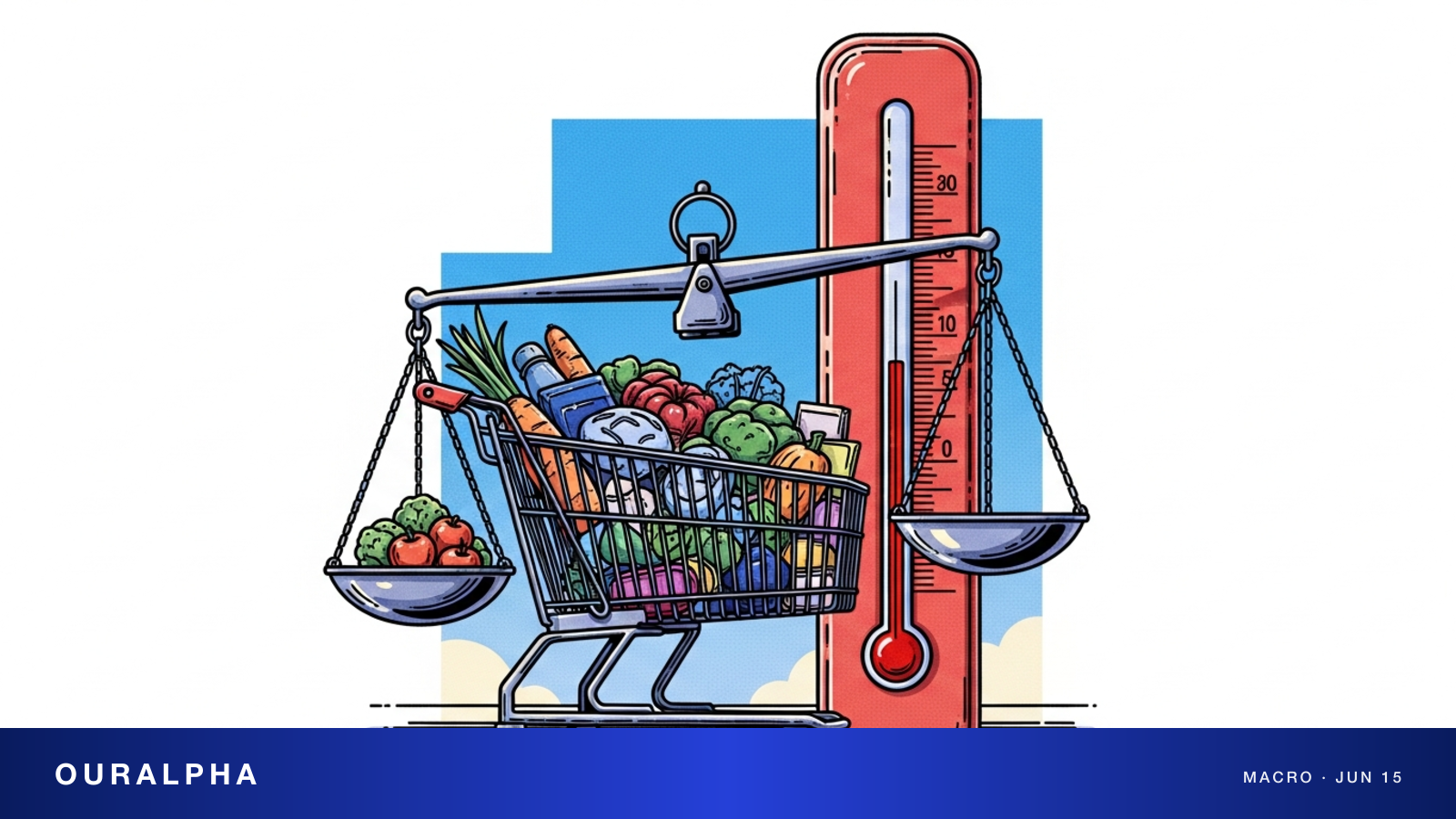
Bottom line: May CPI rose 4.2% YoY — the highest in roughly three years — and while falling oil prices have raised hopes for a cooldown, the numbers on the books are still hot, making this print the central constraint for this week's Fed meeting.
- Per BLS and CNBC, May CPI rose 4.2% YoY, the highest in approximately three years.
- Month-over-month (seasonally adjusted), prices rose 0.5% — the largest single-month gain since April 2023.
- Core CPI (ex-food and energy) rose 2.9% YoY, the highest since September 2025, up 0.2% MoM.
- Energy prices accounted for more than 60% of the monthly headline gain, directly tied to the oil spike during the Iran conflict.
- The data was released June 10 — before the U.S.-Iran agreement on June 14 — and forms a critical backdrop for this week's FOMC meeting.
Even as easing geopolitical tensions and falling oil prices have lifted sentiment, the latest U.S. inflation data is a reminder that prices haven't returned to safe territory. According to figures released by the Bureau of Labor Statistics (BLS) on June 10, the Consumer Price Index rose 4.2% YoY in May, the highest in roughly three years; on a seasonally adjusted monthly basis, it climbed 0.5% — the largest single-month increase since April 2023.[CNBC]
May CPI: What the Numbers Show
Based on BLS data and reporting from multiple outlets, here's how the May print broke down:
- Headline CPI: +4.2% YoY, the highest in roughly three years and above April's reading;
- Headline CPI: +0.5% MoM (seasonally adjusted);
- Core CPI: +2.9% YoY, the highest since September 2025; +0.2% MoM;
- Energy prices were the primary driver, accounting for more than 60% of the total monthly gain.[BLS]
Per CNBC and Kiplinger, the acceleration was largely attributed to fuel costs driven by oil's run-up during the Iran conflict.[Kiplinger] That context matters for interpreting the recent oil selloff: the energy component that pushed May inflation higher is now the one unwinding — for more on that, see Why the Oil Plunge Is Being Read as Good News for U.S. Stocks.
Why This Is a "Constraint" for the Fed
Calling this print a constraint for the Federal Reserve comes down to a timing problem:
- May CPI hit a three-year high, and since it was released on June 10 — before the U.S.-Iran deal on June 14 — it is the most recent official inflation reading policymakers are working with, and it's hot;
- The inflation relief from falling oil prices is, for now, still a projection — it hasn't shown up in any published official data.
That puts the Fed in a difficult spot at this week's June 16–17 FOMC meeting: it's weighing realized high inflation against anticipated disinflation that has yet to materialize in the data. The broad market consensus is that a short-term oil pullback alone isn't enough to push policymakers toward a meaningfully dovish pivot.
What Core Inflation Is Telling Us
Worth noting separately: core CPI — which strips out volatile food and energy — still came in at 2.9% YoY in May, a recent high. That signals the month's inflation wasn't purely an energy story; price pressure is showing up across a broader basket of goods and services. In other words, even if energy costs ease as oil falls, sticky core inflation could slow the overall disinflation path.
That's also why last week's PPI data deserves to be read alongside this report. May PPI rose 6.5% YoY, a roughly four-year high (see May PPI Up 6.5% YoY). Elevated wholesale prices tend to flow through to consumers with a lag.
This Week's Test
Markets will now read this inflation print against the outcome of this week's FOMC meeting. The Fed is set to release its rate decision and updated Summary of Economic Projections (SEP) on June 17. With a hot realized inflation print on one side and expectations of geopolitical-driven relief on the other, how policymakers strike that balance — in both the statement and the projections — will be a key pricing variable for U.S. equities this week (see Fed Meeting Preview: Warsh's Debut).
Sources
This content is for informational purposes only and does not constitute investment advice, trading advice, or any guarantee of returns.