May PPI Surges 6.5% YoY — Biggest Wholesale Price Jump Since 2022
U.S. wholesale prices blew past expectations in May, with PPI rising 1.1% month-over-month and 6.5% year-over-year — the hottest reading since November 2022. A 23%-plus spike in gasoline prices did most of the damage.

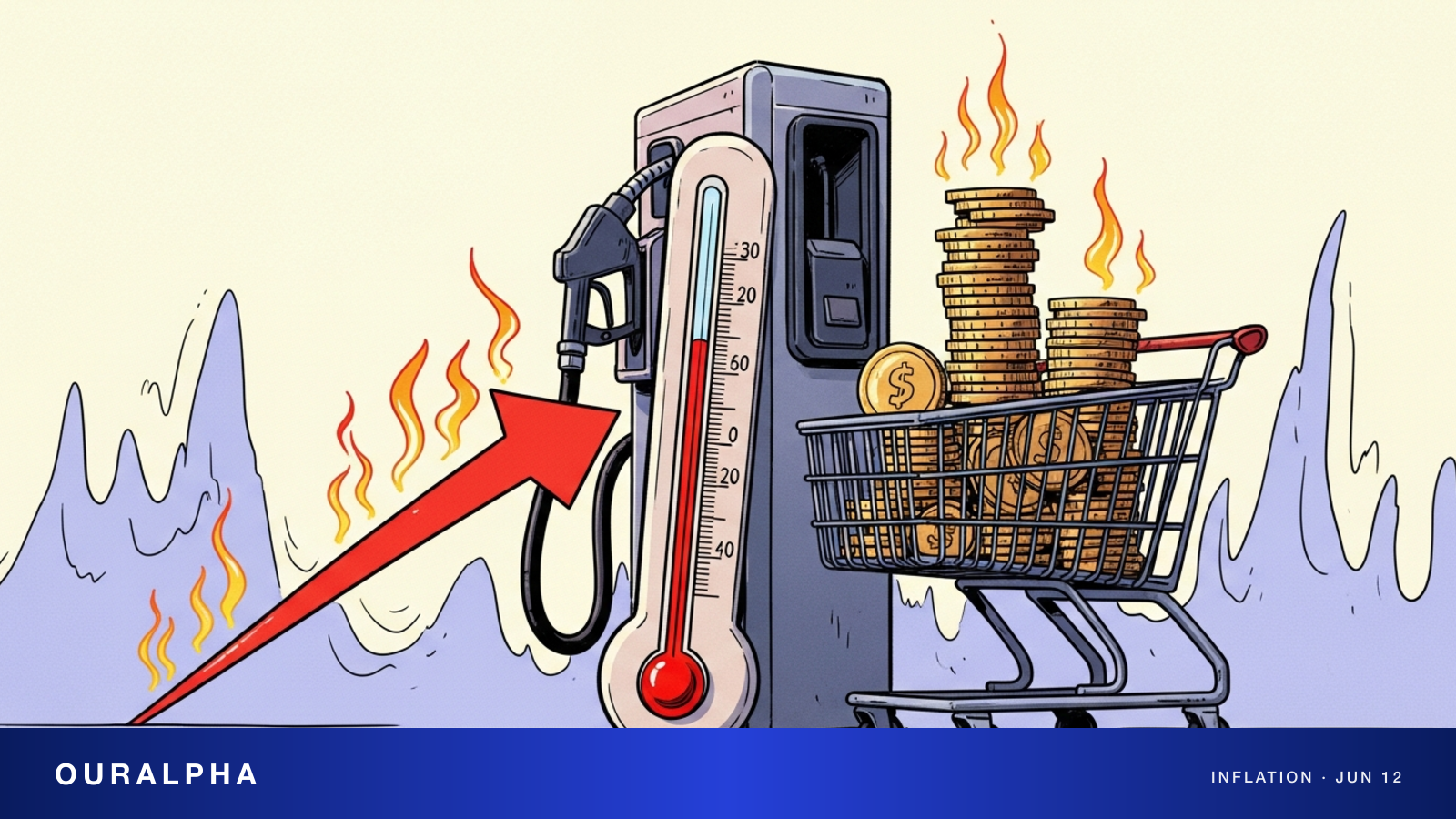
Bottom line: May PPI rose 1.1% MoM and 6.5% YoY, beating expectations on both counts. The 6.5% annual gain is the largest 12-month increase since November 2022, driven overwhelmingly by energy — particularly gasoline.
- Final demand PPI rose 1.1% MoM (seasonally adjusted), above the 0.7% Dow Jones consensus.
- YoY PPI hit 6.5% — the biggest 12-month gain since November 2022's 7.4%.
- Core PPI (ex-food and energy) rose 0.4% MoM and 4.9% YoY.
- Wholesale gasoline prices surged more than 23% MoM and nearly 70% YoY — the primary driver.
- "Stage 1 intermediate demand" prices rose 12.3% YoY, the largest such gain since June 2022.
- Despite the hot print, equities rallied on the day, led by geopolitical easing and tech momentum.
The BLS released May PPI data on June 11, and the numbers came in hotter than expected across the board. According to CNBC and CBS News, final demand PPI rose 1.1% MoM and 6.5% YoY — the latter marking the highest annual rate since November 2022 — with energy, and gasoline in particular, doing most of the lifting.[CNBC]
How Far Above Expectations
Per CNBC and the BLS press release, here's the breakdown:
- Final demand PPI rose 1.1% MoM (seasonally adjusted), above the 0.7% Dow Jones consensus;
- Unadjusted final demand PPI rose 6.5% YoY — the largest 12-month gain since November 2022's 7.4%;
- Core PPI (ex-food and energy) rose 0.4% MoM and 4.9% YoY.[U.S. Bureau of Labor Statistics]
CBS News called it the biggest wholesale price spike since 2022.[CBS News]
Energy Is the Culprit
The May jump was heavily concentrated in energy. Wholesale gasoline prices surged more than 23% MoM and nearly 70% YoY.[Marketplace]
Upstream pressure is building as well. Per BLS, "stage 1 intermediate demand" prices — goods earlier in the production chain — rose 12.3% YoY through May, the largest 12-month gain since June 2022's 15.6%.[U.S. Bureau of Labor Statistics] Intermediate demand prices are a leading indicator for downstream inflation — their acceleration suggests the full price transmission may not be complete yet.
Why Stocks Still Rallied
The hot print didn't weigh on markets. Per Charles Schwab's market recap, early gains held even as wholesale prices came in above expectations.[Charles Schwab] The dominant narratives of the session were easing U.S.-Iran tensions — which pulled oil prices lower — and pre-IPO buying in tech ahead of the SpaceX (SPCX) listing. All three major indexes closed higher.
There's also a timing element: PPI captures May prices, and crude has already retreated meaningfully in June on geopolitical relief. Markets appear to be pricing in some moderation in energy-driven wholesale inflation when June data arrives. That said, with PPI a recognized leading indicator for CPI, back-to-back hot readings remain a variable worth watching on the path forward for inflation.
Implications for the June Fed Meeting
The data landed with the Fed's policy meeting just days away — the FOMC is scheduled to meet June 16–17 and announce its rate decision. The key questions heading in: whether energy-driven wholesale inflation filters through to core consumer prices, what a 4.9% YoY core PPI reading means for the rate path, and how the Fed balances inflation persistence against growth risks. Next week's decision and press conference should provide some answers.
Sources
- CNBC — Wholesale prices rose 1.1% in May, more than expected
- U.S. Bureau of Labor Statistics — PPI News Release (2026 M05)
- CBS News — Wholesale prices see biggest spike since 2022
- Marketplace — Wholesale prices rise 6.5% year over year
- Charles Schwab — Early Gains Linger Even as Wholesale Prices Surge
This content is for informational purposes only and does not constitute investment advice, trading advice, or any guarantee of returns.