U.S. Lifts Iran Blockade, Hormuz to Reopen — Oil Tumbles, Energy Stocks Sink Against the Tape
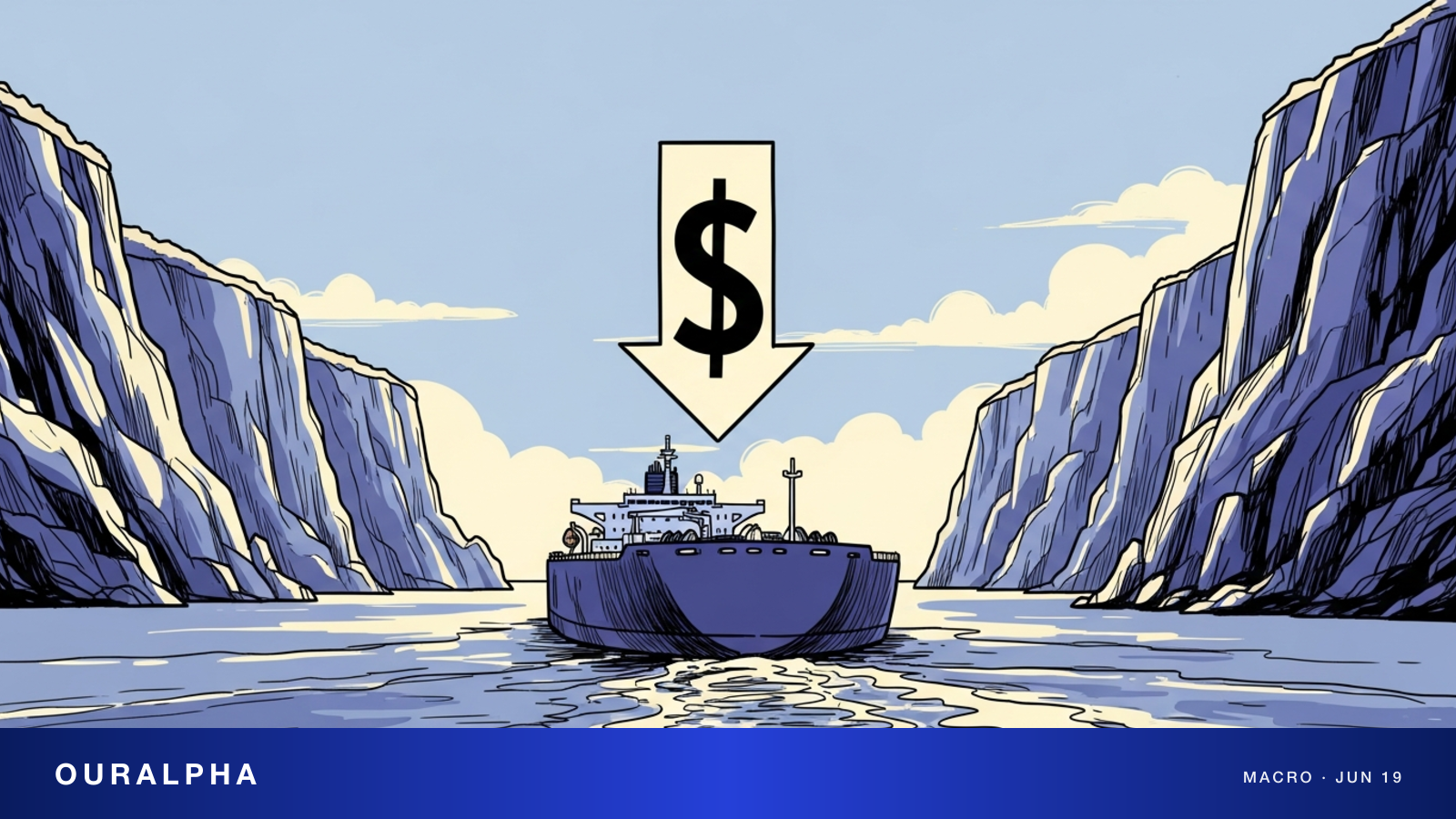
Pakistan announced June 18 that the U.S.-Iran MOU means Tehran will reopen the Strait of Hormuz "as soon as possible" and the U.S. naval blockade of Iranian ports lifts immediately. WTI crude dropped ~4% to $72.99, dragging energy stocks lower even as the broader market rallied.

TL;DR
On June 18, mediator Pakistan announced that the U.S.-Iran memorandum of understanding (MOU) commits Tehran to reopening the Strait of Hormuz "as soon as possible" and lifts the U.S. blockade of Iranian ports immediately. Crude prices slid and energy stocks closed in the red as the rest of the market rallied.
- WTI crude fell ~4% to $72.99/bbl; Brent dropped ~3.54% to $76.73/bbl
- Both benchmarks retreated to their lowest levels since early March
- The MOU was signed by Trump and Iranian President Pezeshkian on June 17, extending the fragile ceasefire by 60 days
- Energy was the lone sector in the red as all three major indexes gained on the day
- Industry watchers caution that Iran's full production and refining capacity could take weeks, months, or longer to recover
On June 18 (ET), a significant development broke in the U.S.-Iran standoff. Pakistan — the key intermediary — announced that the MOU signed to end hostilities means Tehran will reopen the Strait of Hormuz "as soon as possible" and that the U.S. blockade of Iranian ports would stop "immediately." With the supply-disruption premium evaporating, crude prices fell sharply and energy stocks bucked a broad market rally.[TheStreet]
How the Deal Got Done: From G7 to Versailles
The MOU was signed by President Trump and Iranian President Masoud Pezeshkian on June 17. The venue was striking: Trump signed the document over dinner with French President Macron at the Palace of Versailles, on the sidelines of the G7 summit. At its core, the agreement extends the existing — and fragile — ceasefire by 60 days, buying time to negotiate a more durable settlement.[Wikipedia]
On June 18, Pakistan went public with the two headline implications: Iran would reopen the Strait of Hormuz, and the U.S. blockade of Iranian ports would end at once. The Strait is one of the world's most critical oil chokepoints, and markets had been pricing in a significant risk premium around its closure.[TheStreet]
Oil Slides to Its Lowest Since Early March
The relief in supply fears hit crude prices immediately. On June 18:
- WTI fell ~4% to $72.99/bbl
- Brent dropped ~3.54% to $76.73/bbl
- Both benchmarks extended their slide back toward levels last seen in early March
At the pump, CNBC reported that the national average for regular gasoline broke back below $4.00/gallon — hitting $3.999 for the first time since March 30 — marking 28 consecutive days of declines.[CNBC]
Why Energy Stocks Sold Off
Oil prices and energy-sector earnings expectations move in lockstep. When crude falls, the market marks down forward earnings for E&P companies, oilfield services, and refiners — and the stocks follow. That's why energy was the lone sector in the red on June 18, even as the Dow, S&P 500, and Nasdaq all pushed higher.[TheStreet]
The same headline cuts both ways: cheaper crude is a tailwind for airlines, truckers, and consumer-facing businesses that carry fuel as a major cost — and a headwind for oil and gas producers.
Supply Recovery Won't Be Instant
Even with a deal in place, the actual supply rebound may lag. Industry sources told media that restoring Iran's full production and refining capacity could take weeks, months, or even years — putting a meaningful lag between "blockade lifted" and "barrels hitting the market" in size.[OilPrice]
It's also worth noting that this MOU is a 60-day ceasefire extension, not a final peace agreement. How subsequent negotiations unfold — and whether the truce holds — will continue to drive the market's pricing of geopolitical risk.
What to Watch
- Hormuz traffic in practice: The gap between "announced reopening" and "normal transit volumes restored" is the key gauge of how fast supply actually comes back.
- Negotiations inside the 60-day window: Progress toward a lasting ceasefire will determine whether the geopolitical risk premium continues to compress.
- Oil-to-inflation pass-through: If crude and gasoline prices keep falling, watch for the impact on CPI prints — and what that means for Fed rate expectations.
Sources
This content is for informational purposes only and does not constitute investment advice, trading advice, or any guarantee of returns.